




As sustainability becomes a priority for both consumers and businesses, the demand for eco-friendly packaging has never been higher. Yet with so many buzzwords on labels, from biodegradable to compostable, it is easy to feel confused about what these terms really mean.
The distinction matters. While both sound environmentally responsible, they do not always have the same impact on the planet. In fact, some claims around biodegradable products can be misleading without the right context or certification.
At ecoware, we believe in transparency and in helping businesses make informed choices. This guide uncovers the truth about biodegradable vs compostable, highlights the key differences, shows you how to spot misleading claims, and explains why the right choice matters for lasting sustainability.
What Biodegradable Really Means
So, what does biodegradable mean? It refers to any material that can naturally break down into water, carbon dioxide and biomass with the help of microorganisms such as bacteria and fungi. Unlike plastics that can take hundreds of years to disappear, biodegradable materials eventually return to the earth.
Everyday examples of biodegradable products include paper, untreated wood, natural fabrics like cotton, and certain types of food packaging. However, unlike compostable coffee cups or eco-friendly food trays, many biodegradable items are not designed to break down safely in real-world conditions.
The term can also be misleading when applied to modern packaging. A product labelled as biodegradable does not always break down quickly or safely in landfill conditions, where oxygen and sunlight are limited. Some items may even release harmful greenhouse gases during decomposition. This is why relying on the word alone can be problematic.
Adding to the confusion, you may encounter synonyms of biodegradable, such as “eco-friendly” or “earth safe”. While they sound appealing, these phrases are vague and lack standard definitions. Certifications remain the only reliable way to verify whether a product genuinely benefits the environment.
The Compostable Alternative
If biodegradable material can sometimes create uncertainty, then the meaning of compostable is far clearer. A compostable product breaks down into natural elements within a specific timeframe, usually under controlled composting conditions. Instead of leaving behind toxins or microplastics, compostable items turn into nutrient-rich soil that supports new growth.
There are two main types of composting:
- Home composting: Small-scale systems where organic waste is broken down in a backyard bin. Some packaging can decompose here, but not all.
- Commercial composting: Large-scale facilities with the right heat, oxygen and moisture to handle tougher compostable packaging such as takeaway containers, compostable coffee cups, bioplastic lids, and compostable cutlery.
Because the process is standardised, compostable products are considered more reliable than biodegradable products. For businesses, this means confidence that their packaging will not just break down eventually, but will do so in a way that actually benefits the environment.
Switching to compostable also helps reduce confusion for consumers. With certifications available to prove compostability, businesses can show a real commitment to sustainability instead of relying on broad, unregulated claims.
Biodegradable vs Compostable: Clearing Up the Confusion
The terms biodegradable and compostable are often used as if they mean the same thing. But is biodegradable the same as compostable? The short answer is no.
Both describe materials that break down, but the way they do so and the impact they leave are very different.
To make the differences clearer, here’s a comparison:
| Feature | Biodegradable | Compostable |
| Definition | Breaks down naturally with microorganisms | Breaks down into natural elements within a set period |
| Timeframe for Breakdown | Varies widely (months to decades) | Usually within 90-180 days |
| Conditions Required | No specific conditions, but it may break down poorly in a landfill | Requires specific conditions (home or commercial composting) |
| End Result | May leave greenhouse gases or residues | Turns into nutrient-rich soil |
| Certifications | Rarely certified | Certified by ABA, BPI, EM13432 |
| Environmental Impact | Unpredictable, sometimes harmful | Reliable and environmentally beneficial |
| Examples | Paper, untreated wood, natural fabrics | Compostable cutlery, packaging, and food containers |
When comparing biodegradable vs compostable, the biggest difference is reliability. Compostable products are measurable, certified and genuinely beneficial for the environment. Biodegradable materials, while sounding eco-friendly, can be vague and sometimes misleading.
FAQs About Biodegradable vs Compostable
Here are clear answers to some of the most common queries:
Is biodegradable better than compostable?
Not necessarily. While biodegradable materials do eventually break down, the timeframe is unpredictable and depends heavily on the environment. In a landfill, they may take decades and can even release harmful gases. Compostable products, however, are designed to decompose within a set period under the right conditions, creating safe, nutrient-rich soil. This makes compostable the more reliable and environmentally friendly option.
Does 100% biodegradable mean compostable?
No, 100% biodegradable does not automatically mean compostable. Many biodegradable products will eventually decompose, but without clear standards, this could take years or may result in harmful residues. Only items certified as compostable can guarantee that they will break down within a specific timeframe and leave behind beneficial matter.
Can I put biodegradable bags in my compost bin?
Most biodegradable bags are not suitable for composting, particularly in a home compost bin. They may not break down properly and can contaminate the compost. On the other hand, certified compostable bags are designed to safely decompose in either home or commercial composting environments. Always check for recognised certification logos before adding any bag to your compost system.
Can I compost biodegradable items?
In general, it is not safe to add all biodegradable materials to a compost pile. While food scraps, paper and untreated natural fibres are fine, many biodegradable products such as plastics or coated packaging, will not decompose correctly in compost. Certified compostable packaging, such as coffee cups, cutlery and food trays, is a better choice, as it is tested to break down safely in composting conditions.
Beyond the Buzzwords: Other Eco-Friendly Labels Explained
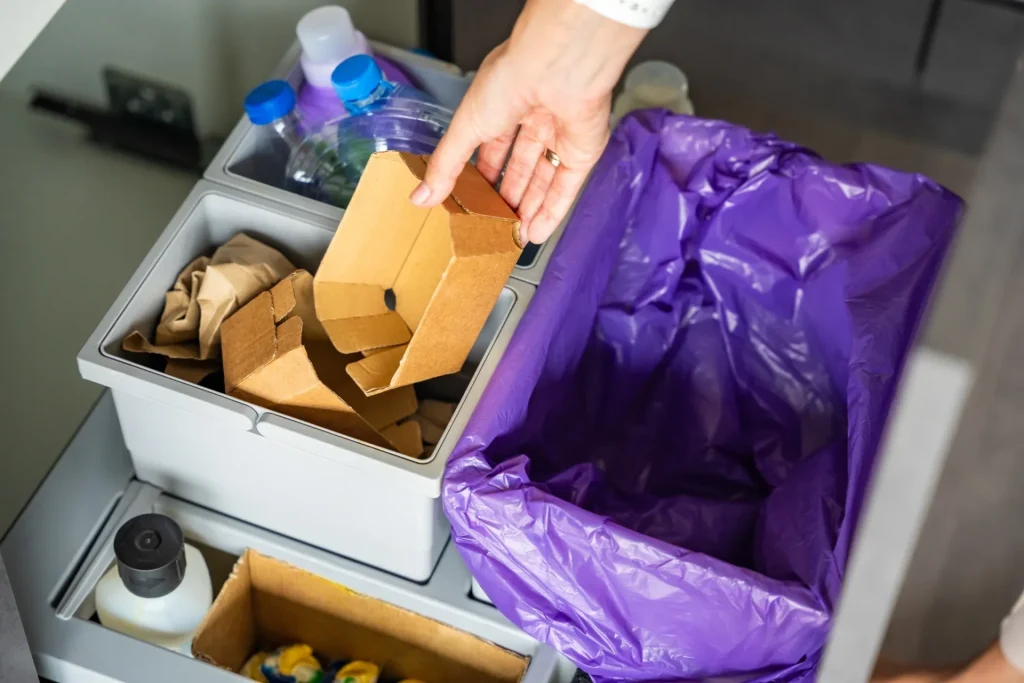
When exploring sustainable packaging, you will often come across other terms that sound positive but mean very different things. Understanding these labels can help you avoid being misled.
Degradable
Products labelled degradable will eventually break apart, often with the help of sunlight or heat. However, they usually do not return to natural elements. Instead, they fragment into smaller pieces that can pollute ecosystems.
Oxo-degradable
This is a type of degradable plastic that contains chemical additives designed to speed up its breakdown. The problem is that it still turns into microplastics rather than fully decomposing. Because of this, oxo-degradable plastics have been banned in several countries.
Marine degradable
This label refers to materials designed to break down in the ocean. While it sounds ideal, very few products truly meet this standard, and most marine environments do not provide the right conditions for quick decomposition.
Zero waste
Unlike the terms above, zero waste is not about how a product breaks down, but about reducing waste altogether. It focuses on reusing, recycling and composting as much as possible to keep materials out of landfills and oceans.
How to Avoid Being Misled by Greenwashing
With sustainability now a selling point, many companies use eco-friendly language to attract customers. The trouble is that not all of these claims are accurate. This is where greenwashing comes in, when businesses exaggerate or misrepresent their environmental efforts.
One common example is packaging labelled as 100% biodegradable. While the phrase sounds impressive, it often lacks detail. Does it break down in months or decades? Does it release harmful gases in the process? Without context, the claim is meaningless.
To protect yourself from greenwashing, look for the following:
- Certifications matter: Genuine compostable products carry certifications such as ABA Compostable, BPI or EN13432. These prove the item has been independently tested.
- Specific language: Trustworthy companies explain whether a product is suitable for home composting, industrial composting, or both.
- Transparency: Responsible businesses provide clear information about the materials they use and how their packaging should be disposed of.
By knowing what to look for, businesses and consumers can avoid vague claims and instead support packaging that truly benefits the planet.
Choosing the Right Option for Your Business
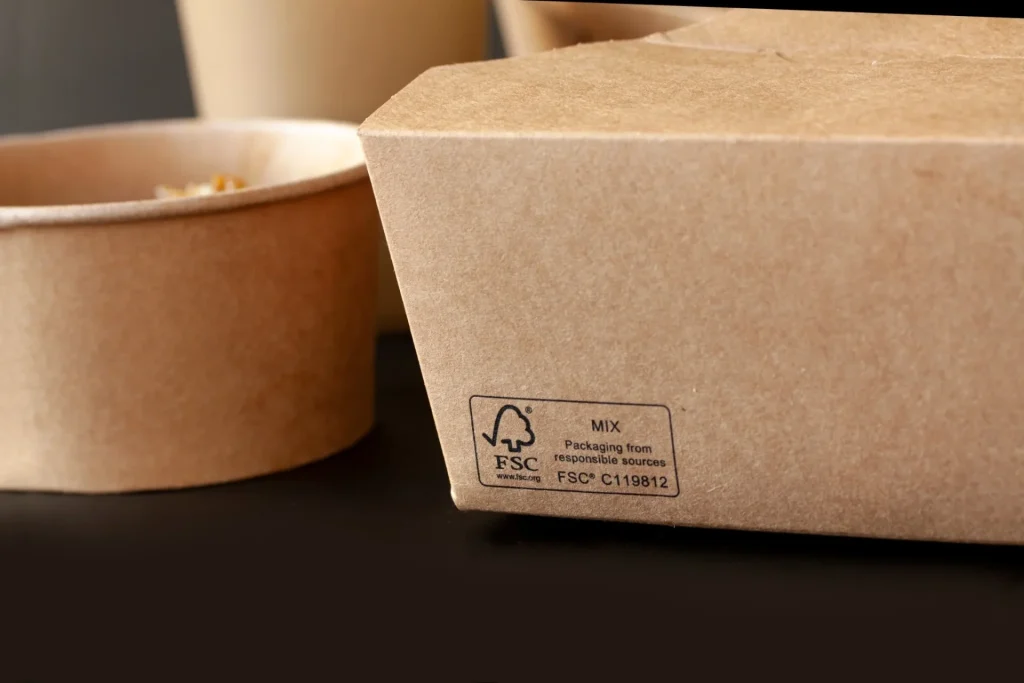
For businesses looking to reduce their environmental footprint, the choice between biodegradable products and compostable products can have a significant impact. While biodegradable materials may sound appealing, they often come with uncertainty around how and when they break down. This lack of clarity can undermine a brand’s sustainability message.
By contrast, compostable packaging offers clear advantages:
- Certifications provide assurance – Customers can trust that certified compostable cutlery, compostable coffee cups, and eco-friendly food packaging will break down in the right conditions.
- Alignment with sustainability goals – Compostable options contribute to genuine waste reduction rather than simply delaying pollution.
- Customer confidence – By using certified compostable packaging, businesses demonstrate accountability and strengthen their reputation with eco-conscious consumers.
At ecoware, we specialise in certified compostable materials that meet strict global standards. Our packaging solutions are widely used in cafés, catering services and food businesses across Australia, helping them reduce waste while maintaining quality.
Conclusion
The debate around biodegradable vs compostable often comes down to one word: reliability. While biodegradable products can break down over time, the lack of standards makes the term vague and open to misuse. Compostable products, on the other hand, follow strict guidelines, produce a useful result, and offer certifications that businesses and customers can trust.
For businesses, the choice is clear. Opting for compostable packaging not only supports genuine sustainability but also builds confidence with environmentally conscious customers.
Start your journey towards greener packaging today. Explore our range of certified compostable solutions at ecoware and discover how your business can reduce its footprint while protecting the planet.


