




Sustainability is reshaping every industry, and packaging is at the centre of this transformation. For years, convenience and cost dictated packaging choices, but rising awareness of plastic pollution has changed the conversation. Today, businesses are expected to demonstrate environmental responsibility, and customers are voting with their wallets.
Biodegradable packaging has emerged as one of the most practical and effective solutions. It combines functionality with responsibility, offering businesses an opportunity to reduce their environmental impact while enhancing their brand. In this article, we explore what biodegradable packaging is, how to identify it, the materials it is made from, and most importantly, the advantages of biodegradable packaging for businesses and society.
Understanding Biodegradable Packaging
Biodegradable packaging refers to materials that can naturally decompose through the action of microorganisms. The process converts packaging into water, carbon dioxide, and biomass, leaving little or no trace of pollution. Unlike traditional plastics, which may persist in landfills or oceans for centuries, biodegradable alternatives typically break down in months or years.
This distinction is important because packaging accounts for a large proportion of waste in landfills. Biodegradable materials offer a clear pathway to reducing this footprint.
It is also worth clarifying how biodegradable packaging differs from related terms:
- Compostable packaging not only biodegrades but also enriches the soil when processed under the right conditions.
- Recyclable packaging can be reprocessed into new products, but that does not mean it will biodegrade.
For businesses, understanding these differences helps ensure the right packaging is chosen for both operational needs and sustainability goals.
How to Identify Genuine Biodegradable Packaging
Not every product marketed as “green” lives up to the promise. Greenwashing, or the practice of making exaggerated sustainability claims, has become increasingly common. Businesses must be able to separate genuine biodegradable packaging from misleading alternatives.
The most reliable way to do this is by checking for certifications.
- In Australia, the AS4736 standard assures that packaging is industrially compostable.
- The Seedling logo, widely recognised in Europe, guarantees that a product meets compostability standards.
- The BPI certification in North America performs a similar role.
Businesses can also request information from suppliers on the lifecycle of the packaging, including whether it is suitable for home composting, industrial composting, or landfill conditions.
Being transparent with customers about these certifications can also strengthen brand trust. For instance, a café displaying compostability logos on its takeaway cups not only reassures customers but also communicates its commitment to sustainability.
Materials Commonly Used in Biodegradable Packaging
Biodegradable packaging is made from a diverse set of materials, each suited to specific uses:
- Plant fibres: Sugarcane bagasse, bamboo, and palm leaves are durable and heat-resistant, making them ideal for clamshell containers, bowls, and plates.
- Bioplastics: PLA (polylactic acid) and PHA (polyhydroxyalkanoates) are derived from renewable crops like corn starch and are commonly used in drink cups, lids, and cutlery.
- Paper and cardboard: With plant-based or water-based coatings, these materials can replace plastic-lined products in items such as coffee cups, bakery boxes, and wraps.
For businesses, the advantage lies in being able to match packaging to the specific needs of their operations. A fast-food outlet may prioritise durability and heat resistance, while a catering service might prefer lightweight, compostable trays for events.
Biodegradable vs Compostable: What’s the Difference?
These terms are often used interchangeably, but they are not the same. Biodegradable packaging refers broadly to materials that break down naturally, while compostable packaging is designed to decompose under specific conditions and produce nutrient-rich compost.
For businesses, the choice between biodegradable and compostable often comes down to local waste infrastructure. To make the right decision, it helps to understand the difference, which we explore in detail in our dedicated guide on biodegradable vs compostable packaging.
The Role of Fossil-Based Polymers vs Plant-Based Alternatives
Conventional plastics are derived from fossil fuels. Their production consumes non-renewable resources and contributes to greenhouse gas emissions. Once disposed of, these plastics resist natural breakdown, adding to landfill and ocean waste.
Plant-based alternatives address these issues directly. For example, PLA looks and feels like conventional plastic but decomposes much faster in composting conditions. PHA, meanwhile, is produced by bacteria and can biodegrade even in marine environments.
Although fossil-based plastics may still appear cheaper, businesses are increasingly realising that short-term savings come at long-term costs. Regulations on single-use plastics, landfill levies, and reputational risks all add hidden costs to traditional packaging. By switching to plant-based alternatives, companies position themselves for resilience in a changing market.
Types of Biodegradable Packaging Solutions
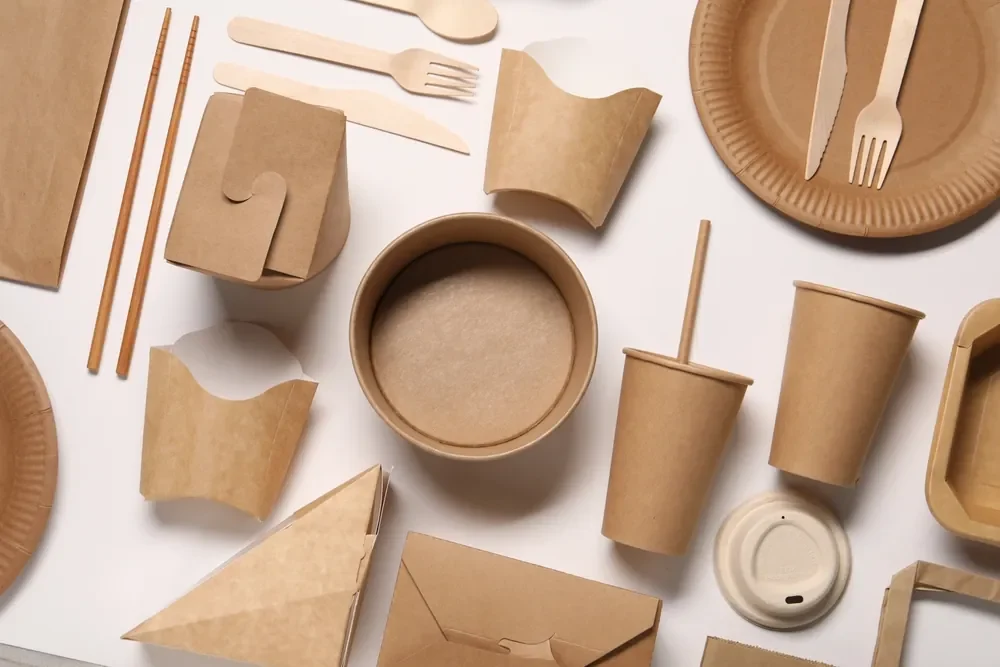
The diversity of biodegradable packaging means businesses do not need to compromise on practicality. Options include:
- Food containers and trays for hot meals, salads, or takeaway meals.
- Cups and lids suitable for both hot and cold beverages, often using PLA or coated paperboard.
- Cutlery, straws, and stirrers that are designed for single use.
- Bags and wraps for groceries, baked goods, and sandwiches.
For example, a bakery can use biodegradable bags for bread, while a catering service can provide compostable trays for large events. This flexibility ensures businesses can transition without disrupting their operations.
Why Biodegradable Packaging Matters in Today’s World
Plastic waste is a global crisis. According to the United Nations, over 300 million tonnes of plastic are produced annually, with around half intended for single use. Much of this ends up in landfills or oceans, where it harms wildlife and ecosystems.
Biodegradable packaging offers a tangible solution. By decomposing naturally, it prevents long-term accumulation of waste. But the importance of biodegradable packaging extends beyond environmental impact:
- Consumer expectations are shifting: Research shows that more than 70% of consumers are willing to pay more for sustainable packaging. Businesses that ignore this risk of losing customers.
- Regulatory pressure is increasing: Many governments, including Australia’s, are banning or phasing out single-use plastics. Businesses that adopt biodegradable packaging early avoid compliance issues.
- Brand value is enhanced: Companies that lead on sustainability often enjoy stronger loyalty and differentiation in competitive markets.
In short, biodegradable packaging matters because it aligns environmental responsibility with business opportunity.
Applications in the Food Industry
The food sector has one of the highest demands for single-use packaging, making it central to the move towards biodegradable solutions.
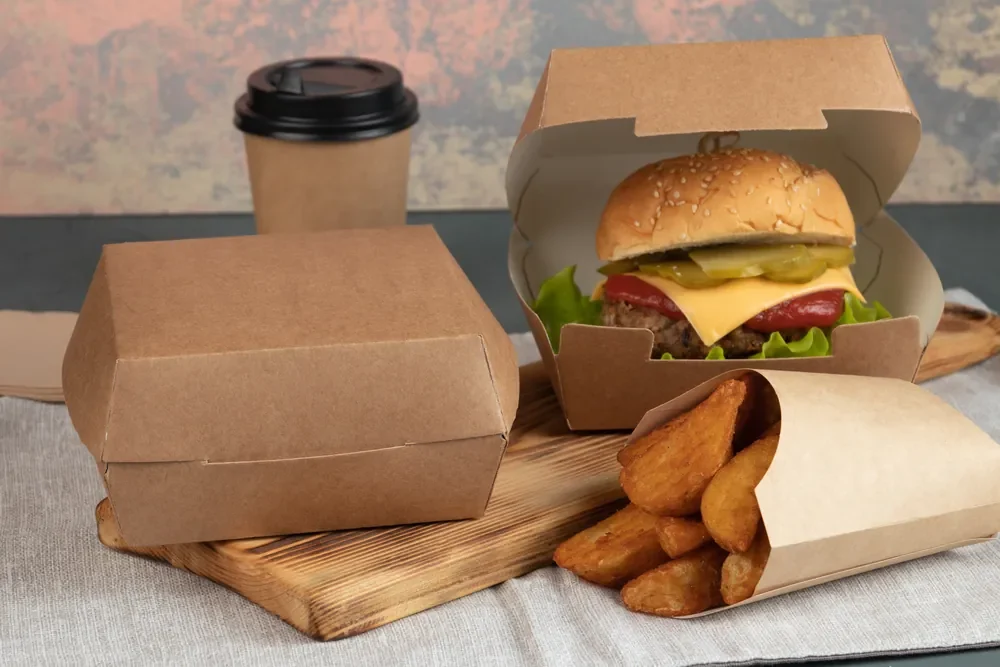
- Takeaway and delivery services can maintain food safety and quality while reducing environmental impact.
- Cafes benefit from compostable cups and lids that reassure eco-conscious coffee drinkers.
- Caterers and event organisers gain efficiency with compostable plates and cutlery, which simplify waste management at large gatherings.
A practical example is a restaurant switching to biodegradable containers. Not only does this reduce its environmental footprint, but it also creates a marketing opportunity. Promoting the change on menus, websites, and social media shows customers that the business is aligned with their values.
While the food industry provides clear examples, the advantages of biodegradable packaging extend across every sector, supporting farmers, protecting consumer health, reducing waste, and ensuring packaging naturally returns to the earth.
The Key Advantages of Biodegradable Packaging
Supports Farming and Renewable Resources
Biodegradable packaging often makes use of agricultural by-products such as sugarcane bagasse. Instead of going to waste, these materials are transformed into functional products. This creates circular value for farming and reduces reliance on petroleum-based resources.
A Healthier and Safer Solution
Unlike traditional plastics, some of which may leach harmful chemicals, biodegradable packaging is made from safer, natural materials. This is particularly valuable for hot food packaging, where the integrity of the material directly affects consumer health.
Reduces Waste and Environmental Impact
Biodegradable packaging decomposes far faster than conventional plastics. Instead of persisting in a landfill for centuries, it may break down in a matter of months. This reduces the burden on waste management systems and lowers environmental damage.
Naturally Returns to the Earth
When disposed of in the right conditions, biodegradable packaging transforms into natural elements such as water, carbon dioxide, and organic matter. This closes the loop between production, consumption, and disposal, supporting a circular economy.
The Economic Case for Businesses
One of the most overlooked advantages of biodegradable packaging is its financial value. While upfront costs can be higher than traditional plastics, businesses often gain long-term benefits:
- Customer loyalty: Surveys indicate that customers are more likely to return to businesses that align with their environmental values.
- Brand differentiation: In competitive markets, sustainable packaging helps businesses stand out and attract eco-conscious consumers.
- Regulatory compliance: As governments restrict single-use plastics, businesses that delay switching may face fines, penalties, or costly last-minute adjustments.
- Operational savings: In regions with landfill levies or waste disposal fees, reducing non-biodegradable waste can lead to lower operational costs.
Consider a café that replaces plastic coffee cups with certified biodegradable alternatives. Initially, the investment is slightly higher, but the café benefits from increased foot traffic as customers actively choose eco-conscious brands. Over time, the stronger reputation and customer loyalty outweigh the costs.
Practical Tips for Businesses Transitioning to Biodegradable Packaging
Switching to biodegradable packaging can seem daunting, but a structured approach makes the process smoother.
- Audit current packaging: Review which items can be replaced with biodegradable options. Start with the highest-volume products such as cups, bags, and containers.
- Trial alternatives: Test new packaging with a smaller group of customers or staff. Gather feedback on performance, durability, and appearance.
- Educate staff and customers: Train staff to explain disposal instructions and highlight certifications. Use signage or packaging labels to inform customers.
- Scale gradually: Transition in stages to manage costs and reduce disruption. Begin with core items, then expand to cutlery, straws, and specialty packaging.
- Promote the change: Publicise the switch on menus, websites, and social media. Customers appreciate businesses that share their environmental values.
By taking a step-by-step approach, businesses can transition confidently while ensuring their operations remain efficient.
Challenges and Considerations
While the advantages are clear, businesses should also recognise the challenges.
- Higher costs: Biodegradable packaging can be more expensive, particularly for smaller businesses. However, larger orders and growing adoption are helping to reduce costs over time.
- Limited infrastructure: Not all regions have access to industrial composting facilities. Businesses may need to educate customers about disposal options or work with local councils to improve waste systems.
- Durability: Some biodegradable materials are less resistant to heat and moisture, though innovation is steadily overcoming these limitations.
By anticipating these issues, businesses can develop strategies to implement biodegradable packaging effectively while reaping its long-term benefits.
The Business Case for Going Biodegradable
The advantages of biodegradable packaging extend beyond the environmental benefits. They create value for farmers, improve food safety, reduce waste, and return naturally to the earth. For businesses, they offer a way to meet consumer expectations, comply with evolving regulations, and build stronger brands.
The transition may involve challenges, but the long-term rewards far outweigh the costs. Businesses that embrace biodegradable packaging today are positioning themselves as leaders for tomorrow.
Start exploring ecoware’s biodegradable packaging solutions now and take the next step towards a greener, more sustainable future for your business.


